Say NO to House Bill 2495

Updated: Feb 9
House Bill 2495 (HB 2495) presents significant legislative changes with the potential to alter how rivers are used and conserved. Initially introduced with the intent to balance developmental needs with environmental conservation, this bill outlines changes to regulations governing land development near riverbanks. Its primary purpose is to streamline processes for development projects, purportedly to boost economic growth. However, several provisions pose substantial implications for river environments. Key aspects include relaxing restrictions on construction near rivers, reducing required buffers, and altering water quality standards. These adjustments threaten to compromise the ecological integrity of these vital waterways.
Potential Environmental Impacts
The environmental repercussions of HB 2495 could be profound, given its provisions. The easing of restrictions on developments near rivers can lead to increased runoff and pollution, severely affecting river ecosystems. The bill’s approach might accelerate habitat degradation, as reductions in buffer zones increase the likelihood of soil erosion and sedimentation into water bodies. Such changes can disrupt aquatic life, leading to reduced biodiversity and altered ecological dynamics.
Therefore, the impact of HB 2495 on wildlife habitats must be carefully examined. The bill could disrupt vital nesting and breeding grounds for various species, potentially endangering existing wildlife. Long-term environmental consequences may include compromised water quality and river health, indirectly affecting flora and fauna reliant on these ecosystems for survival. Preservation of these habitats is crucial, as they offer essential ecosystem services like flood regulation and nutrient cycling.
Impact on Recreational Activities
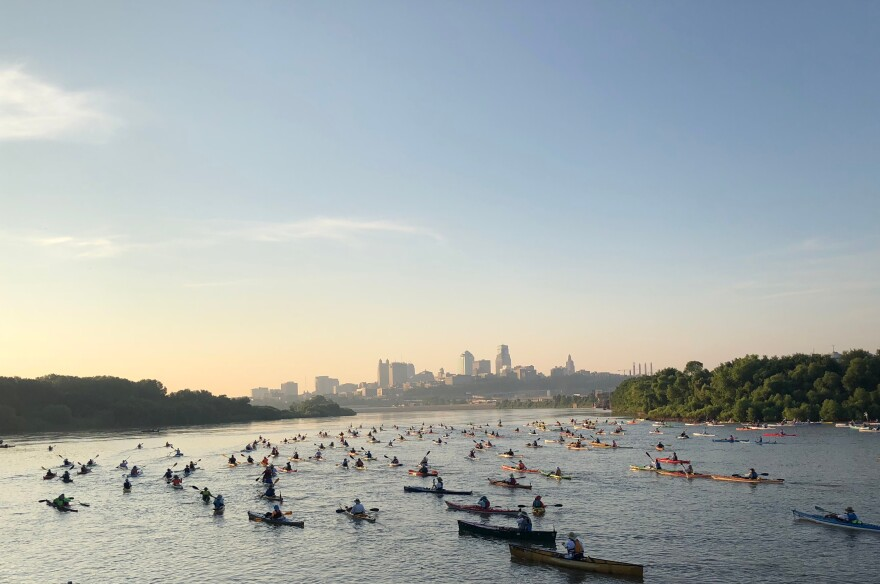
Beyond environmental concerns, HB 2495 also poses challenges to recreational activities associated with rivers. The bill's potential to curtail public access by allowing private developments near waterways could reduce opportunities for fishing, boating, and other recreational pursuits. Restrictions under HB 2495 may result in decreased fisherman and boater safety as access points dwindle and overcrowded conditions in remaining areas become more prevalent.
Furthermore, alterations may impact local tourism dynamics, which often depend on the natural allure of pristine rivers and outdoor leisure. The economic ripple effects of decreased outdoor activities could affect local communities by diminishing the draw for tourists seeking natural experiences, resulting in less visitation and lower revenue for local attractions.
Economic Consequences
Though HB 2495 intends to facilitate local economic development via eased construction regulations, the economic consequences of such legislative action could be unfavorable in the long run. Local businesses that rely on river-driven tourism, such as boat rentals, fishing gear shops, and guides, might experience a downturn as natural spaces lose their attractiveness due to environmental degradation.
Additionally, changes in job opportunities may emerge, primarily in sectors heavily reliant on river-related recreation and conservation work. For many, degradation of the riverine environment could lead to shifts in employment away from ecotourism and conservation efforts, impacting various facets of local economies.
Finally, the anticipated economic burden on municipalities hosting these water bodies should not be underestimated. Costs related to mitigating environmental degradation, such as river cleanup initiatives and infrastructure adjustments, could place a substantial fiscal strain on local governments. Consequently, these economic impacts underscore the need for a balanced approach that harmonizes developmental ambitions with environmental stewardship to ensure sustainable prosperity.
In conclusion, while HB 2495 aims to drive immediate economic benefits through eased regulations, its potential adverse effects on river ecosystems, recreational activities, and overall economic health call for a critical re-evaluation. Ensuring that developmental progress does not undermine the very natural assets that sustain local economies and communities is essential for striking a lasting balance.


Comments